

A strategic model bridging landowners and developers in an evolving property market
Introduction
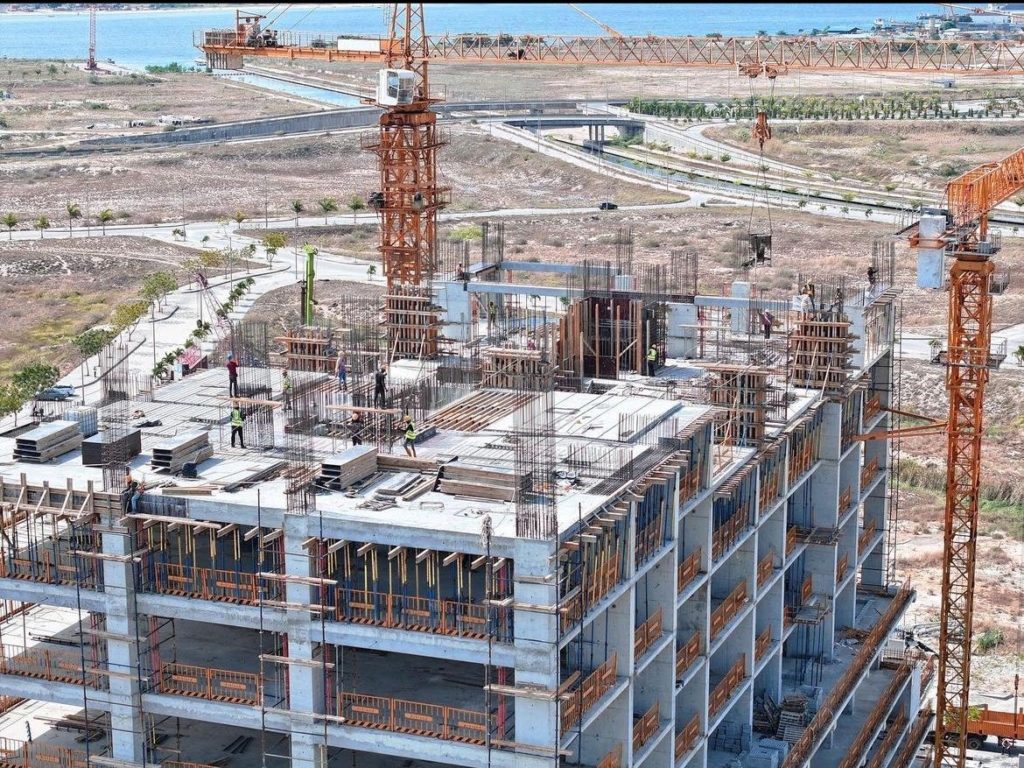
In the face of rising construction costs and currency volatility, property joint venture (JV) development has emerged as a game-changing alternative to traditional real estate transactions in Lagos, Nigeria. Rather than relying solely on capital-intensive land acquisitions, forward-thinking developers are now entering strategic alliances with landowners and creating mutual value without upfront financial strain.
This article explores the mechanics of joint venture development, its advantages, potential pitfalls, and the critical role of professionals and government in driving its success.
What Is Property Joint Venture Development?
Property joint venture development is a collaborative real estate model where a landowner contributes land as equity, while a developer contributes the capital, technical expertise, and project execution. Profits from the completed project are then shared based on a pre-agreed ratio.
In Lagos, this model is becoming increasingly popular among real estate development companies, who now work closely with strategic brokers to:
- Identify and assess high-potential land parcels
- Validate ownership and land documentation
- Negotiate deal structures
- Prepare and review joint venture proposals
- Finalize legally binding JV agreements
Why Joint Venture Development Makes Business Sense
Joint ventures present a compelling value proposition for both parties:
For Landowners: No need to secure high-interest bank loans, property appreciates as it is developed, opportunity to earn passive income or hold equity in the finished development.
For Developers: Reduced upfront capital requirement, faster go-to-market timelines,shared project risks and costs, access to prime locations that may otherwise be unavailable.
In a market like Lagos, where demand for residential and mixed-use properties continues to grow, JV models provide a strategic pathway to deliver projects at scale while minimizing financial exposure.
The Importance of Professional Oversight
While joint venture development can be highly rewarding, it is not without risks. To ensure transparency, accountability, and fairness, both parties must engage the right professionals from the onset. A licensed estate valuer should provide an unbiased valuation of the land, serving as the basis for equitable equity sharing. An independent audit firm should review the financial and technical proposals to validate assumptions, cost structures, and projected returns.
Failure to involve professionals often leads to inflated valuations, lopsided agreements, and long-term disputes, all of which can derail even the most promising project and worsen Lagos’ already significant housing deficit.
When Done Right: A Profitable and Sustainable Model
A well-structured JV offers a low-risk, high-reward development model:
- Landowners leverage their asset without losing ownership.
- Developers focus resources on design, construction, and delivery.
- The city gains new residential and commercial stock, boosting infrastructure and economic activity.
This model also fosters urban regeneration, particularly in high-demand areas with underutilized land parcels, and supports sustainable growth across Lagos’ dynamic property landscape.
The Government’s Role in Scaling Joint Ventures
No conversation around real estate innovation is complete without acknowledging the role of government. As Nigeria’s commercial capital, Lagos has made strides in urban renewal and infrastructure development. However, to fully harness the potential of joint venture developments, the Lagos State Government must take deliberate steps to establish clear regulatory frameworks for JV projects, incentivize public-private partnerships,launch collaborative housing initiatives with private developers.
Doing so will help unlock more investment, create housing at scale, and contribute to building a truly inclusive and resilient city.
Conclusion
Property joint venture development is not just a trend, it is a smart, scalable strategy that aligns with the realities of modern real estate investment. For developers, landowners, and city planners alike, this model presents a powerful tool for bridging opportunity and delivery in Lagos’ evolving property market.
Whether you are a landowner seeking to maximize asset value or a developer looking for strategic expansion opportunities, the future of real estate in Lagos may very well lie in collaboration.
